LATEST NEWS

Henge
Included
10:00 - 10:45
•
Wed, 24 June
15. We Have Come to Be Destroyed: Growing Up in Cold War Britain
Henge

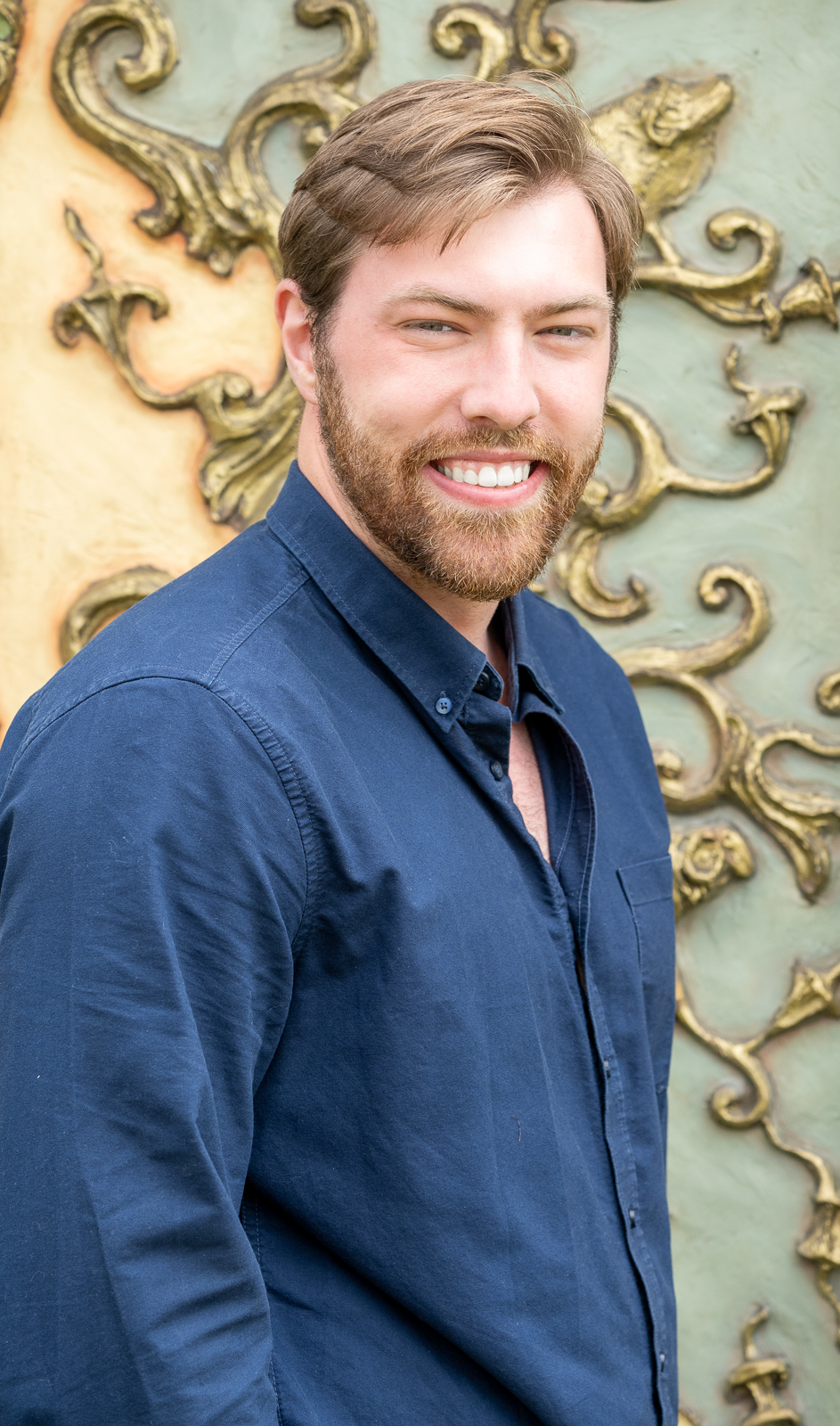
What did the Cold War look like from the back row of the classroom? Historian Laura Tisdall invites us to see modern Britain not through prime ministers and policy papers, but through the eyes of its young people. In the newly affluent decades after 1945, adulthood was idealised and childhood tightly controlled, yet teenagers and children were far from silent. From nuclear disarmament marches to private anxieties about sex, conformity and the future, Britain’s youth questioned, resisted and reimagined the world they inherited. Their letters, diaries and activism reveal fears of atomic destruction, frustrations with authority and bold hopes for change. By placing young voices centre stage, Tisdall offers a fresh, poignant perspective on the welfare state, the sexual revolution and the shifting politics of the late twentieth century, proving that to understand Cold War Britain, we need to listen to those who were still growing up within it.