LATEST NEWS


History is here to help, if we’re willing to listen

James Holland
15/04/2026
In a world that can feel increasingly uncertain, it’s easy to slip into a sense of helplessness, as if the pace of events is beyond our control. But in this powerful piece, our Creative Director, James Holland reminds us that one of the most important things we can do is look back. Because history isn’t just about the past, it’s a tool for understanding the present, and navigating what comes next.
From global conflict to political instability, many of today’s challenges aren’t new, they echo patterns we’ve seen before. And by taking the time to learn, question and engage with history, we begin to replace confusion with clarity, and helplessness with perspective.
If you’ve ever wondered why history matters right now, this is a compelling place to start.
———————————————————————————————————————————————————————
HISTORY IS HERE TO HELP
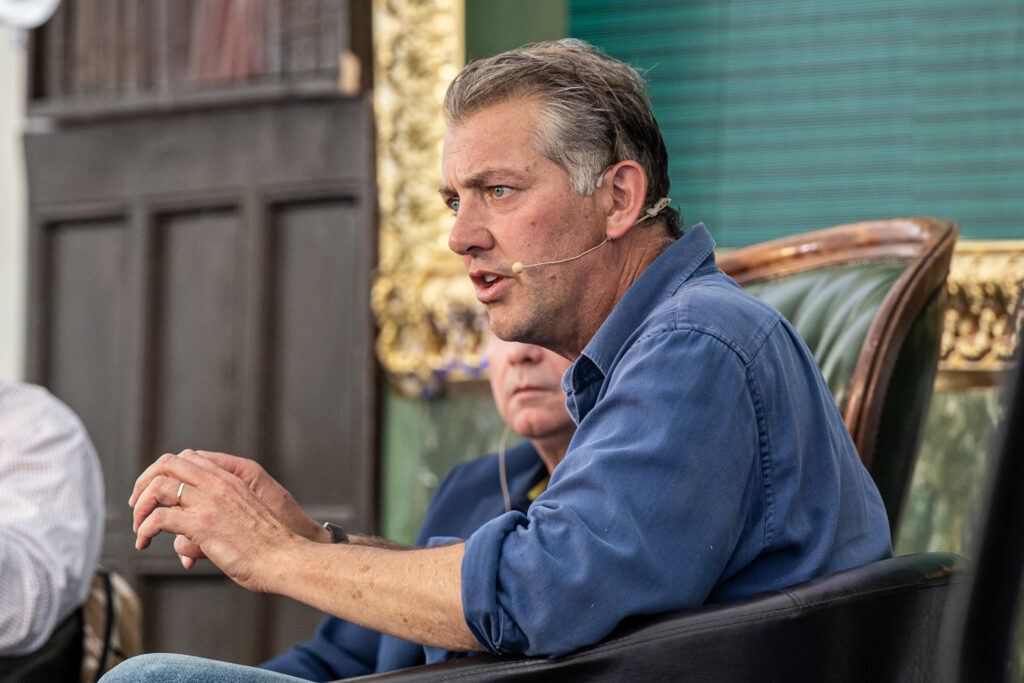
Creative Director, James Holland
‘My experience in two world wars, the aftermaths and the endeavours to make a lasting peace makes me marvel at the regularity with which errors are repeated,’ noted Bernard Baruch, the eminent American financier and statesman. ‘One of the errors that most frequently recurs is failure to study and understand the records of the past.’
Baruch was Chairman of the War Industries Board in the First World War, predicted the Wall Street Crash of October 1929, and was a close adviser to President Roosevelt throughout the Second World War especially with the rapid increase of armaments production. He was also the US representative on the UN Atomic Energy Commission and a titanic figure in both Washington and Wall Street. In other words, he was a man worth listening to. It goes without saying that he was bang on the money with this line above.
There are those who claim that history is irrelevant, that now is now and the past was then, a different time entirely. The novelist L.P. Hartley famously began his iconic novel, The Go-Between, with the line, ‘The past is a foreign country. They do things differently there.’ Hartley was right to a point; the world moves and evolves constantly and yet the present is always shaped by what has come before. A brief study of the ruptures currently affecting us in the democratic west, for example, shows us that all have their roots in the past. The antagonism and mistrust of the Iranians towards America goes back to US involvement in the overthrow of Prime Minister Mohammed Mosaddegh over his attempts to nationalise the British-controlled oil industry in the country. It was compounded by American interference in the 1970s and US hostility to the Ayatollah’s revolution in 1979 and of US support for Iraq in the subsequent Iran-Iraq War.
History also helps us understand the tragedy of Gaza, the calamity of the War in Ukraine, of why the American military has since 1949 dominated NATO. What comes before, no matter how foreign it may seem to us today, leaves indelible footprints that shape the present and the future. History also tells us that in democracies, economic turmoil directly leads to political turmoil, and that the instability caused by the double whammy of economic and political crisis leads us closer to war. In 1919, there was the economic catastrophe of the First World War followed by the Spanish ’flu pandemic. A decade later, came the Wall Street Crash and the Smoot-Hawley Tariff Act of May 1930; the turmoil of the crash was made considerably worse by the start of a global trade war. This led directly to the collapse of the national banks in Vienna and Berlin and in turn to Germans rejecting the established order of the Weimar Republic and embracing Hitler and the Nazis. Democracy was abandoned and six years later, Germany and Europe were at war.
American Presidents Franklin D. Roosevelt and Harry S. Truman understood that economic prosperity and international collaboration protect and nurture democracy. Out of the ruins of global war they were able to establish these foundations, which we in the democratic west have enjoyed since 1945. Those principles are now once again under threat: the economic costs of war in Iraq and Afghanistan, the 2008 crash, the global pandemic, and more recently American tariff wars – once again – as well as actual conflict, have destabilised democratic economies and severely challenged the political and global order. In other words, the lessons of the 1920s and thirties, learned the hard way in the west, appear to have been forgotten.
While there is cheering in much of the west at the ousting of the autocratic Victor Orban in Hungary, the wrecking ball of the second Trump administration – a man with no regard whatsoever for the lessons of the past – continues to fracture western stability in a very alarming way.
I’ve recently been listening to the superb series on London’s Golden Age on The Rest is History podcast. My big brother, Tom, is one of the hosts and he and I were chatting about Samuel Johnson and James Boswell, the heroes of the series, and I mentioned to him how incredibly contemporary both men seemed. Tom disagreed; he felt they were products of an age which was now alien to us today. He’s right that the world was a different place then but was humankind? Both Johnson and Boswell, because of the hundreds of thousands of words Boswell, especially, wrote about his own life and that of his great friend, left a record of two men who shared all the characteristics we still feel to this day: passion, love, irritation, pain, frustration, happiness, ecstasy, temptation, anger, hate and kindness and compassion. These human emotions are also very much the background to the plays of Shakespeare, for example, or the novels of Dickens. Their universality ensures they remain relevant and are still enjoyed to this day. The world their characters inhabit may be different but in the case of Shakespeare, especially, the storylines are sufficiently familiar enough to be given regular renditions out of period and transported to the modern day.
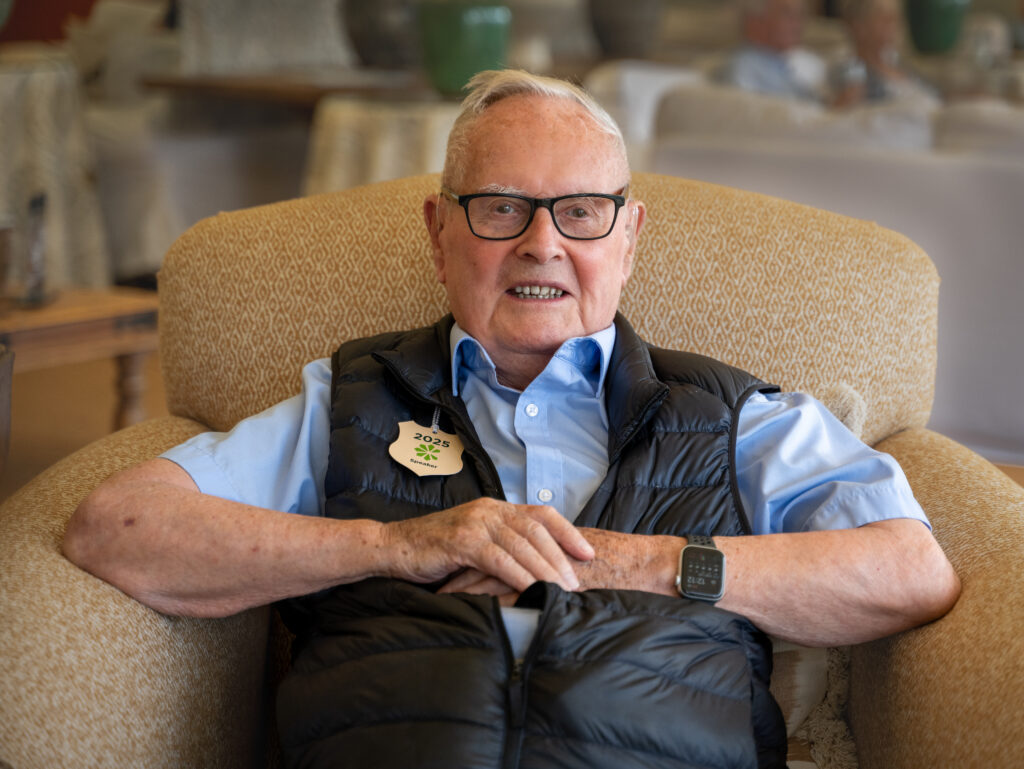
Colin Bell at Chalke History Festival in 2025
When I began writing about the Second World War some twenty-five years ago there were still plenty of veterans to whom I could meet and talk. That is no longer really the case. My old friend and former Mosquito bomber pilot, Colin Bell, is still astonishingly cogent at 105, but uniquely so. More recently, I’ve been turning to diaries, letters and journals instead and what eye-openers they have proved. A detailed diary or set of letters was, in many ways, treated as a cathartic confessional and I can promise you the characters of the writers leap off every page. Their 21 year-old or 32 year-old selves become vividly real. They’re fully-fleshed, entirely recognisable people, with the same likes, dislikes, worries, fears, concerns, irritations, sense of humours and anxieties as we who live in the world today. They just happened to be living through the Second World War. Some have terrific senses of humour; others are pedantic fuss-pots; others spend most of the time feeling wretchedly terrified; while for others, the excitement and camaraderie outweigh the fear and anxiety. There is stoicism, despair, wit, resignation, hope, regret, and the entire rainbow of human emotions. Reading their words, men and women who long ago died become fully alive once more. It’s fabulously interesting.
If you accept, as I believe, that times change but we humans don’t very much, then the analogue study of history becomes even more important. Yet few, if any nations, make the study of history compulsory throughout the years of standard schooling. In the UK system, history is studied in ink spots – the Russian revolution, a bit on the emancipation of women, civil rights in America, the rise of the Nazis and something on an aspect of the Cold War, for example. How this all fits together is rarely emphasised, while the learning itself is based around hitting key points, fence posts and learning by rote. In other words, it’s often a bit uninspiring. Of the 5.1 million students taking GCSEs here in the UK each year, only 300,000 choose to take history, or around 6%. It’s not a lot.
Fortunately, history is one school subject that people often return to later in life, but really it should almost be a public duty to learn about the past. History doesn’t repeat itself – it can’t possibly because that was then and this is now and the world is constantly changing and evolving – but patterns of human behaviour most definitely do.
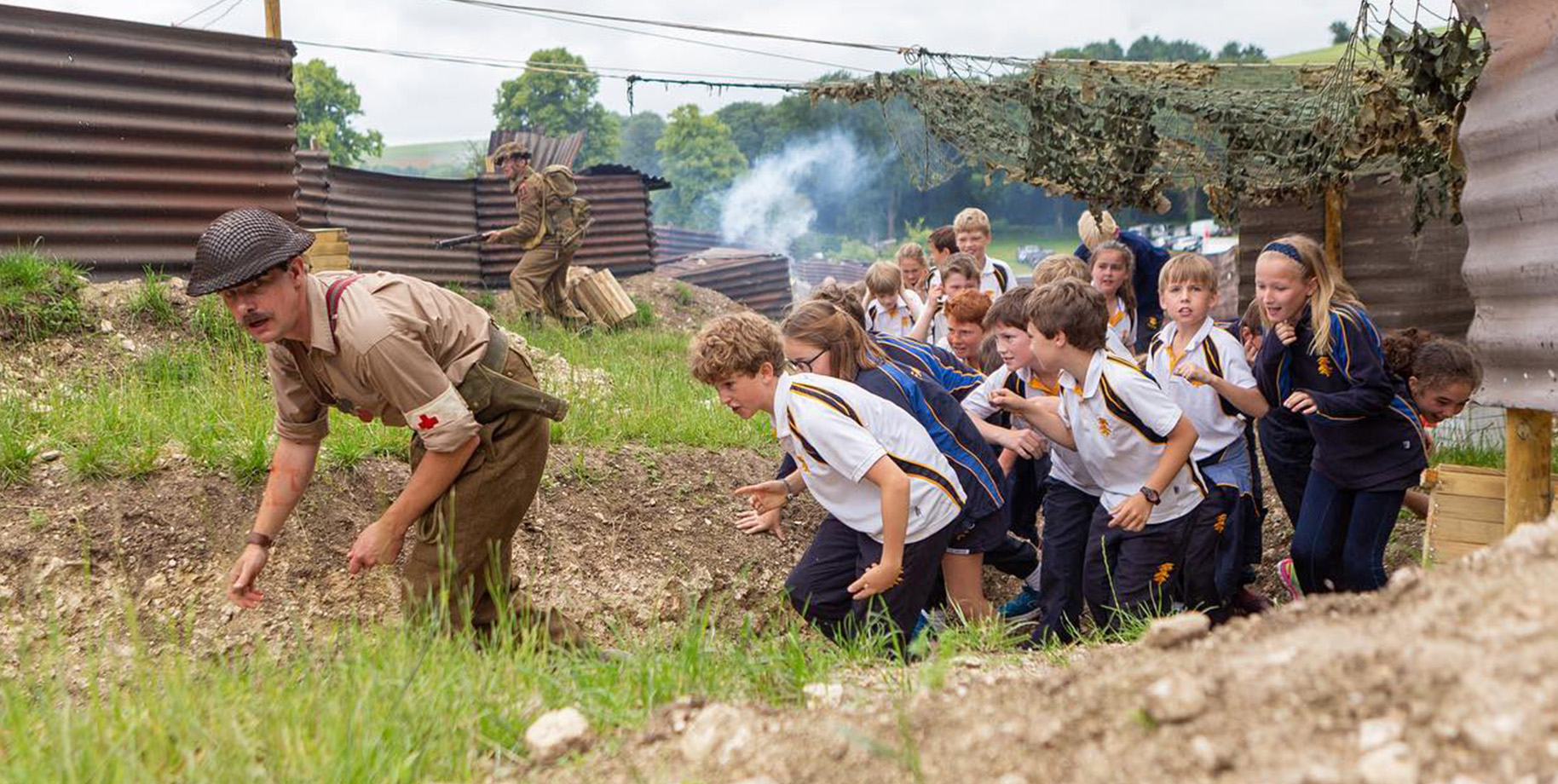
Chalke History Festival for Schools
The lessons are all there, whether it be the perils of financial crashes, or entering a war too dependent on air power, or viewing conflict through the prism of what a war leader wants it to be rather than what it actually is. Or how an autocratic regime following democracy will always make those who voted in the dictator poorer, both financially and in terms of personal freedoms.
And nor should the study of the past be a chore. We’re naturally drawn to human drama and history is full of it: a real soap-opera of tragedy, trauma, and the highs and the lows of human endeavour, of amazing, wondrous achievements and individual fortitude and bravery as well as human frailties, weaknesses and evil malevolence. It’s exciting, inspiring – and offers warnings for today and the future.
And this is why every year during the June midsummer we hold the Chalke History Festival, in a beautiful corner of Hardy’s Wessex. This year will be its fifteenth iteration and an extraordinary gathering it is too: an eccentric mix of talks, discussions, living history, performance, music, theatre, workshops and, of course, food, drink, stalls, and all you’d expect from a summer festival in the heart of the English countryside. An amazingly eclectic group of speakers and contributors take part in a line-up that is unique to Chalke and includes people from around the world. It’s a fabulous event, and not-for-profit: it was founded as a cause for good and aims to encourage more people to be inspired by the incredible stories of the past. It is an event that attempts to champion the urgent need for a better understanding of what has gone before. We mean for Chalke to inspire, enlighten and inform. We want people to live, see, breathe and smell history. The line-up this year is unquestionable the best we’ve ever produced: more international speakers, more truly global experts, more discussions panels unique to Chalke over a wider range of subjects. We’re tackling global events through the long lens of history but also offering talks on the environment, the deep past, the arts, sport and science. We have Oscar winners attending, inspiring opposition leaders from some of the most oppressed countries in the world. We have opera, Shakespeare, iconic films, master craftsmen, brilliantly inspiring living historians, household celebrities and some of the finest brains in the land. What a potent mix. It’s irresistible.
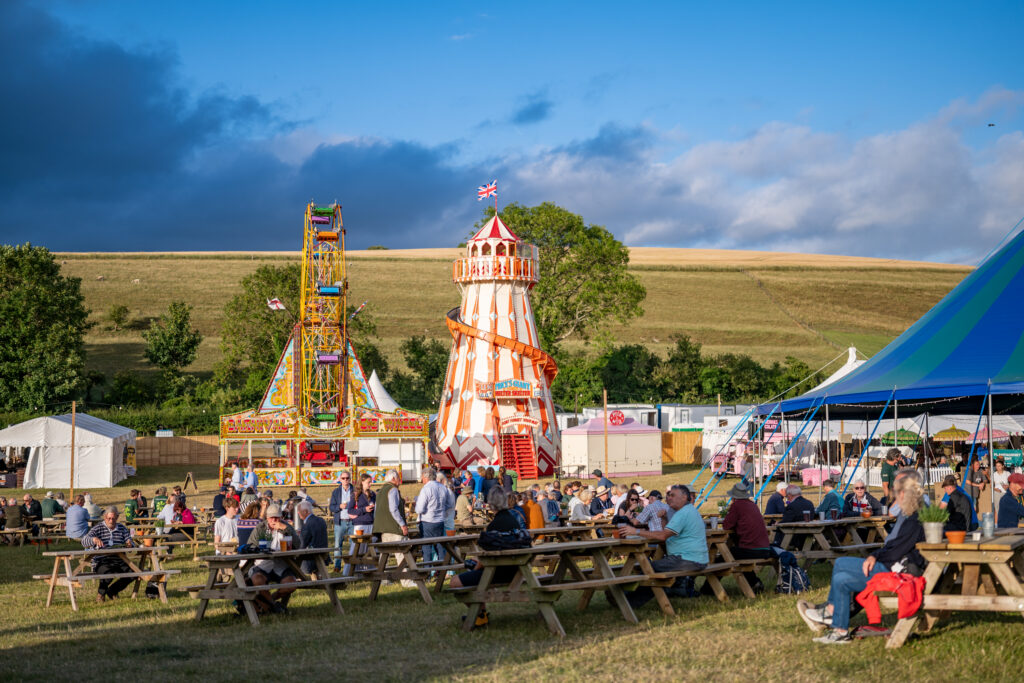
An evening at Chalke History Festival – photo credit: Martin Cook
The festival is, of course, a pinprick, but in these tumultuous times an understanding of what came before has rarely been more relevant. The freedoms we in the west enjoy – freedom of speech, religion, of personal choice – were hard-won and should never be taken for granted, yet complacency and short-sightedness are threatening to undermine the liberty we cherish. Our long history is the greatest story of all and I would urge everyone to learn more about it. The lessons for both today and tomorrow, despite the ever-changing world in which we live, are all to be found in the tales of what has come before. History is there to help.
Three and seven day early bird tickets are on sale now.
The full programme and day tickets for the Chalke History Festival will be available from 22 April 2026.
Sign up to the Chalke History Festival newsletter and check chalkefestival.com for updates.
The Chalke History Festival will take place at Church Bottom, Broad Chalke, Salisbury, Wiltshire, SP5 5DP. For more details about the festival, please visit our website at www.chalkefestival.com Follow all the news on X at @ChalkeFestival, on Instagram at @chalkehistoryfestival, on Facebook and on LinkedIn.
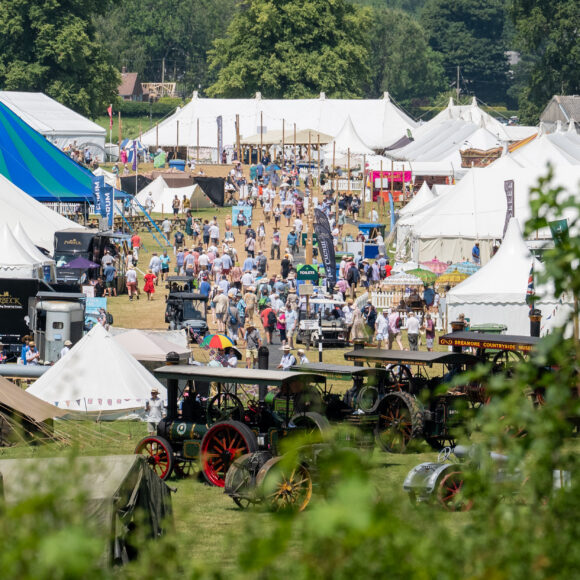
History fans in their thousands defy heatwave to attend this year’s star-studded Chalke History Festival
30.06.26
History fans defied the heat in their thousands last week to attend Chalke, the UK’s biggest and most successful history festival, which ran from Monday 22nd to Sunday 28th June.
Read More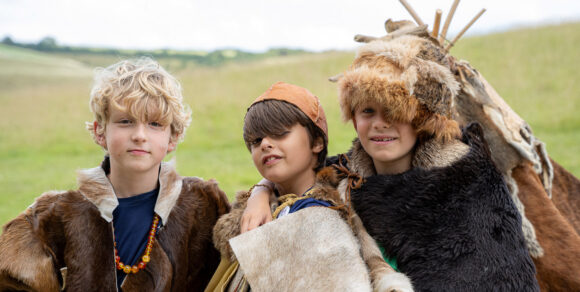
Chalke Announces Final Details For 2026
17.06.26
Chalke History Festival 2026 promises an extraordinary week of ideas, debate, entertainment and unforgettable experiences for all ages. 22-28 June.
Read More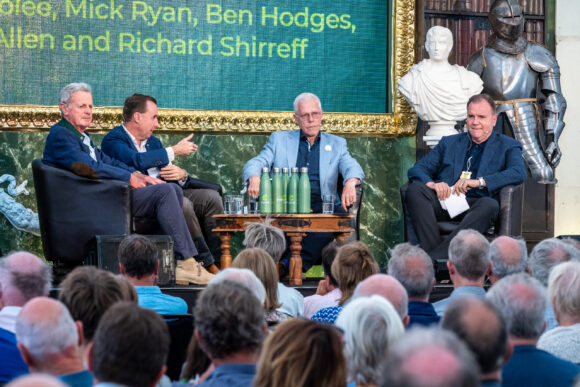
Conflict at Chalke
08.05.26
Leading experts at Chalke discuss what the shifting world order means for you.
Read More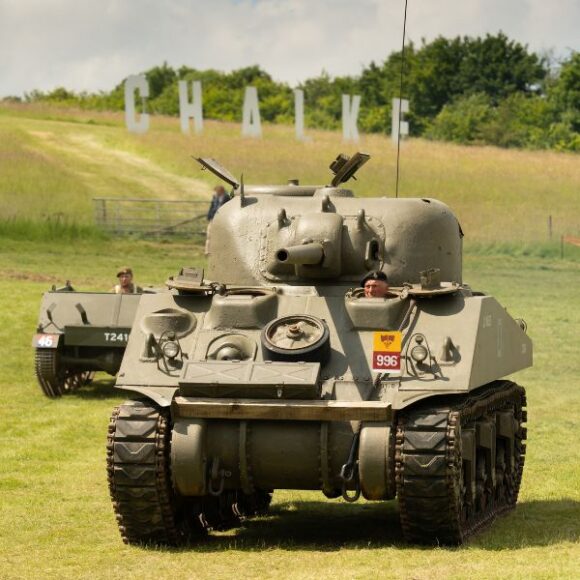
WW2 – Learn more about the Second World War at Chalke History Festival 2026
05.05.26
WW2 - Learn more about the Second World War at Chalke History Festival 2026 through expert talks, personal stories and powerful debate.
Read More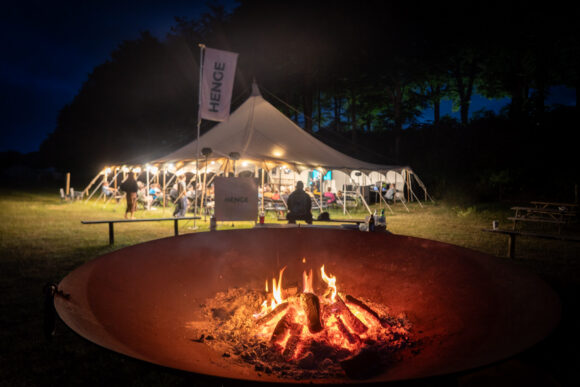
Chalke Confidential – an evening of culture and conversation
30.04.26
Experience evenings at the festival with Chalke Confidential - two curated evenings of powerful talks, live performances and fine dining. From global politics to iconic historical figures, this unique programme brings past and present together in an inspiring summer setting.
Read More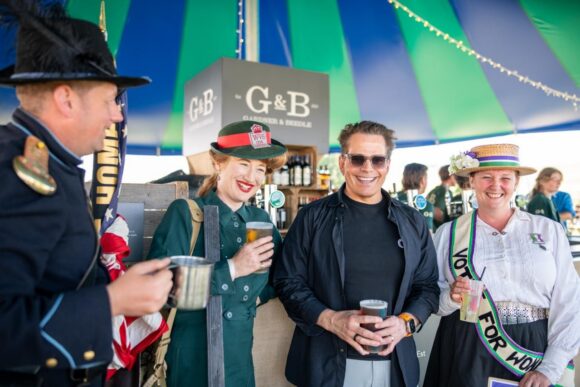
Chalke History Festival Unveils Its Most Ambitious Lineup Yet
23.04.26
Returning 22–28 June, Chalke brings together world-leading historians, headline speakers and immersive living history experiences for a standout week of talks, debate, performance and summer festival atmosphere.
Read More
National treasure Alan Titchmarsh joins list of VIP speakers
24.03.26
Chalke History Festival returns 22–28 June 2026 with Alan Titchmarsh, a spectacular Iron Age chariot build, and urgent debate on today’s global tensions.
Read More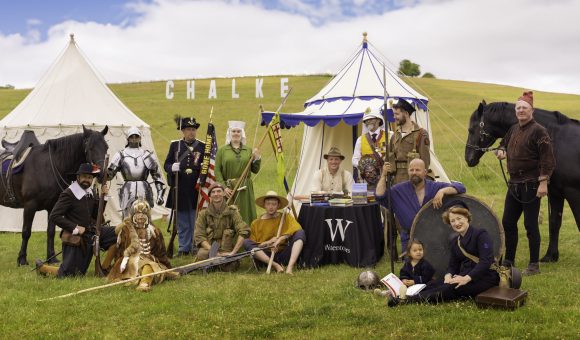
Headline speakers already confirmed as dazzling 2026 lineup takes shape
13.02.26
Set in the heart of the stunning Wiltshire countryside, the Chalke History Festival - the UK’s leading celebration of history – will return from 22nd to 28th June 2026to bring the past vividly to life through a rich programme of top-class talks, wide-ranging discussions, striking performances and dynamic living history experiences.
Read More